
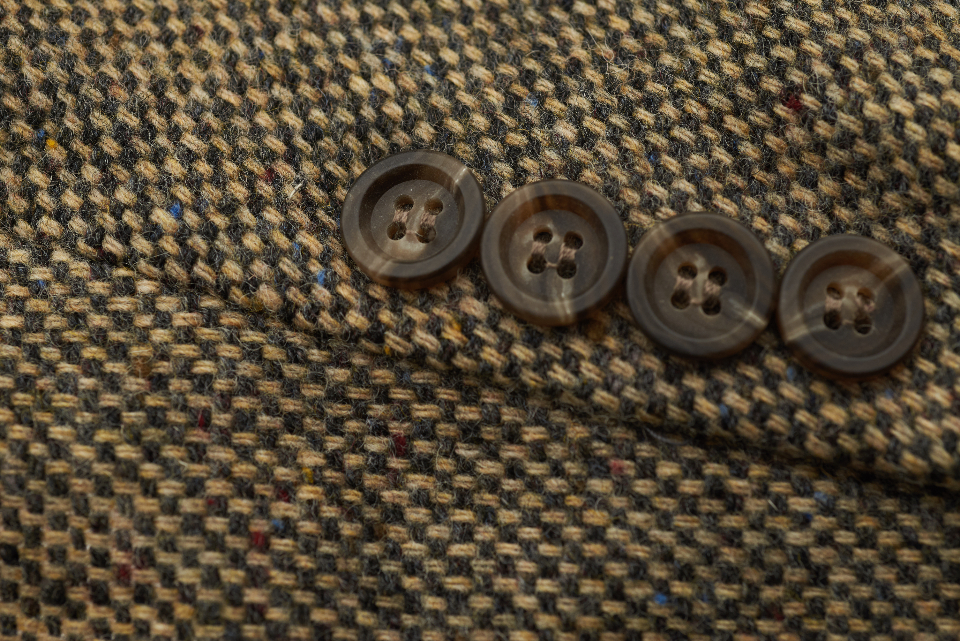
Nobody writes country life's dress code down anywhere, and yet it's remarkably consistent wherever you encounter it. Waxed jackets, decent boots, a jumper that's clearly been worn for years rather than bought last season. It's a look built entirely around function that's ended up, almost by accident, becoming considerably stylish.
The waxed jacket sits right at the centre of it. Practical above almost anything else, waterproof, durable, warm enough for standing in a field for an hour without complaint, but there's also something about a properly worn in waxed jacket that reads as effortlessly put together in a way that's very hard to fake with something brand new straight off a shelf.
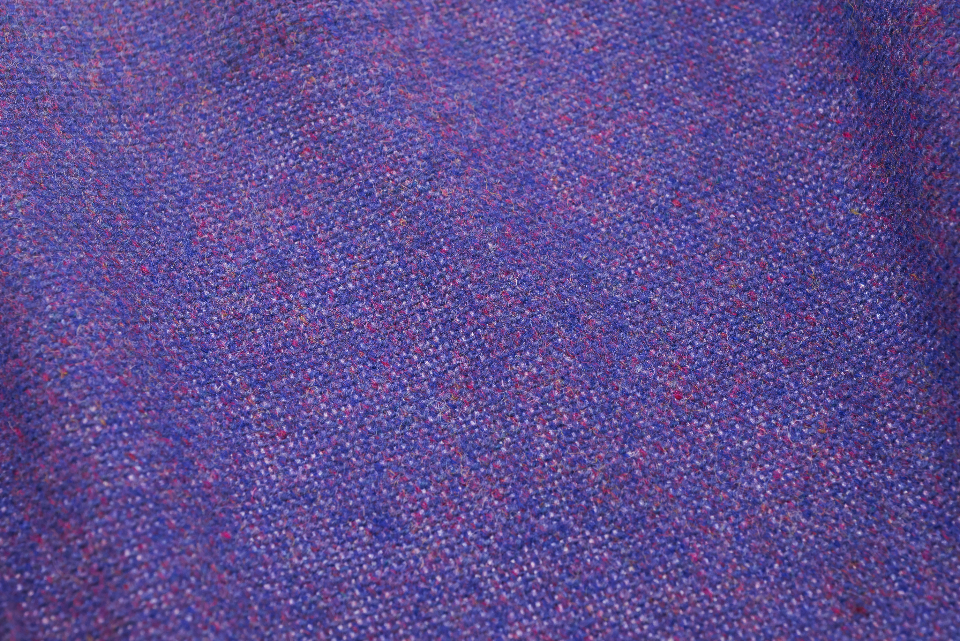
Knitwear does a lot of quiet work too. A proper wool jumper, the kind built for actual warmth rather than a thin layer for indoor wear, becomes a wardrobe staple precisely because it earns its place through repeated genuine use. There's a reason chunky knits and country style have always gone hand in hand, they're simply the right tool for a climate that's cold and damp more often than not.
Footwear tells you almost everything about whether someone's dress code is authentic or borrowed. A pair of boots that have actually seen mud, properly broken in rather than pristine, signal something that no amount of styling can quite replicate. It's one of the few areas of fashion where visible wear noticeably adds credibility rather than detracting from it.
There's an unspoken rule too about layering being practical rather than decorative. Country dressing tends to favour pieces that can come off or go on depending on the weather changing mid walk, rather than a single fixed outfit designed to look a certain way regardless of conditions. Function dictating the layers, rather than the other way around, is really what defines the whole aesthetic.

Accessories complete the picture in ways that are easy to overlook. A flat cap, a decent pair of gloves, a scarf in a colour that ties the whole outfit together, none of these are essential in the way a coat or boots are, but they're often what separates a look that's simply practical from one that feels properly considered.
It's a look that travels well beyond the countryside too, oddly enough. The same pieces that work for a muddy field translate surprisingly comfortably into a city, reading as considered and grounded rather than out of place, which is probably part of why the style has endured so consistently.
Weather resistant fabric aside, colour choices in this dress code tend to favour practicality over statement making, deep greens, browns and neutrals that don't show mud, rather than anything bright or attention seeking. It's a wardrobe built around blending comfortably into a landscape rather than standing out against it.
What makes this dress code endure, decade after decade, largely unbothered by passing trends, is that it was never really designed as fashion in the first place. It developed to solve a specific, practical problem, staying warm, dry and comfortable outdoors for long stretches, and the fact that it also looks effortlessly good is almost a side effect rather than the original point.