As dogs age, routines naturally shift towards shorter walks, more rest, and generally less activity, which is entirely appropriate but can occasionally start to feel a bit flat if every day starts to look identical to the last. A few small additions keep things feeling special without asking more of a senior dog than they're comfortable giving.
Vary the location rather than the length of walks. A short walk somewhere new offers plenty of mental stimulation through new smells and sights without requiring the physical effort of a longer route. Ten minutes somewhere unfamiliar often engages a senior dog more than twenty minutes on the same tired loop.
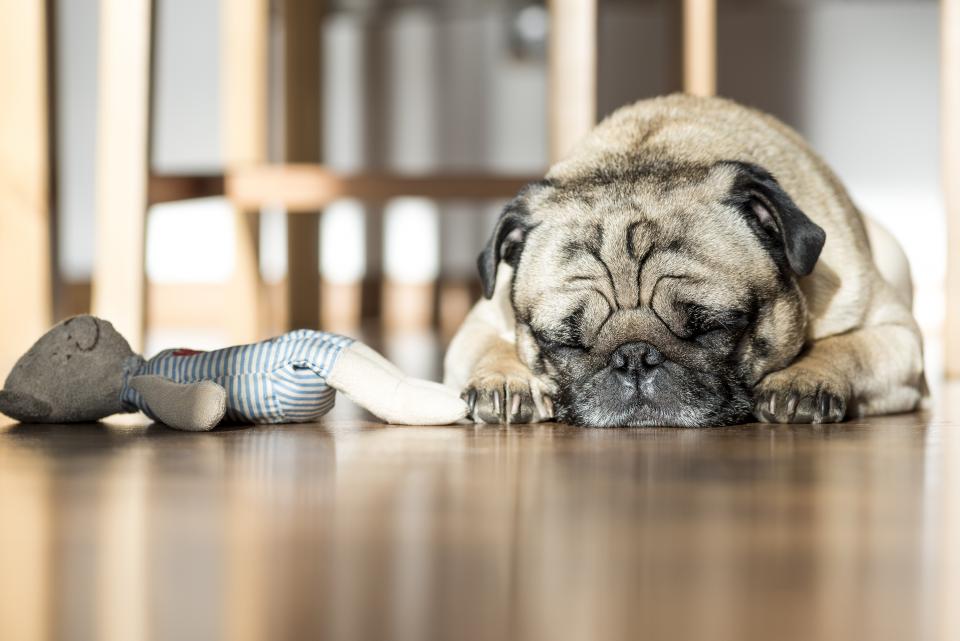
Bring back a favourite toy or game in a gentler form. A dog who used to fetch enthusiastically might still enjoy a very short, low effort version of the same game, rolled rather than thrown, played for a couple of minutes rather than twenty. It's the engagement that matters, not the intensity.
Give them a proper choice of comfortable spots throughout the house, rather than expecting them to make do with wherever their old bed happens to sit. Senior dogs often develop preferences around temperature and support that shift from what suited them a few years earlier, so a bed near a warm spot, and another cooler one for summer, both earn their keep.
Keep up the grooming and gentle attention, if anything a little more of it. Senior dogs often benefit enormously from calm, unhurried handling, and a slightly longer, gentler brushing session can become a actually enjoyable part of their day rather than a chore to get through quickly.
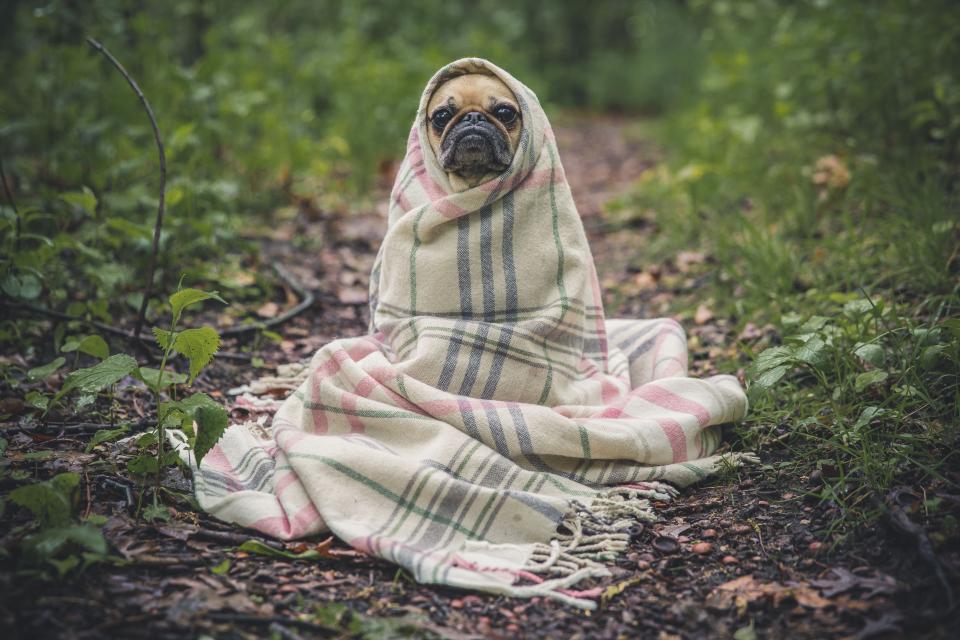
Consider involving other people in small ways too, a regular visit from a familiar face, a short walk with a friend's calmer dog. Social contact doesn't need to disappear just because energy levels have dropped, it just needs to be pitched at a pace that suits where your dog actually is now.
Keep a loose note of what seems to bring the most contentment on any given day, since senior dogs can have good days and quieter ones in fairly unpredictable succession. Following their lead, rather than a fixed schedule, tends to serve them better at this stage than at any other.
It's worth talking to other owners of senior dogs too, since a lot of the small adjustments that help most tend to get shared informally rather than written down anywhere official. A quick chat at a quiet corner of the park often surfaces a properly useful tip you'd never have thought to try yourself.
Finally, mark the small things. An extra few minutes of company in the evening, a slightly softer voice, a favourite spot saved just for them. None of this needs to be grand or expensive. Mostly it's just about paying a bit more attention to a dog who's given years of steady, loyal company, and making sure the slower chapter still feels like one worth having.
Patience and attentiveness matter more here than any fixed rulebook.