

Choosing accessories for a dog is a surprisingly easy thing to get wrong, mostly because people pick colours they personally love rather than colours that actually suit their dog's coat. A collar or lead that clashes rather than complements can make even the most striking dog look slightly washed out, so it's worth a moment's thought before you buy.
For golden, red, or rust toned dogs, think Vizslas, golden retrievers, and similar warm coated breeds, deep forest greens and rich navy tend to work brilliantly. These cooler tones sit in contrast against a warm coat and make the colour of the fur look richer rather than blending everything into one indistinct block.

For black or very dark coated dogs, almost anything works, which is one of the perks of a dark coat, but rich, saturated colours tend to show up better than pale, muted ones. A deep rust or burnt orange collar against black fur reads as considered rather than accidental, and pale neutral tones can occasionally disappear against a very dark coat entirely.
For white or very pale coated dogs, most colours will show up beautifully, though very pale pastels can sometimes wash out against pale fur in the same way pale colours can on a person with fair skin. Richer, more saturated tones tend to create more definition and stand out better in photos too, if that's something you care about.
For grey, silver, or blue toned coats, cooler tones like teal and deep blue tend to complement rather than compete, while warmer tones like rust and burnt orange create a nice contrast if you want something bolder. Both directions work, it really depends on whether you want the accessory to blend in or stand out.
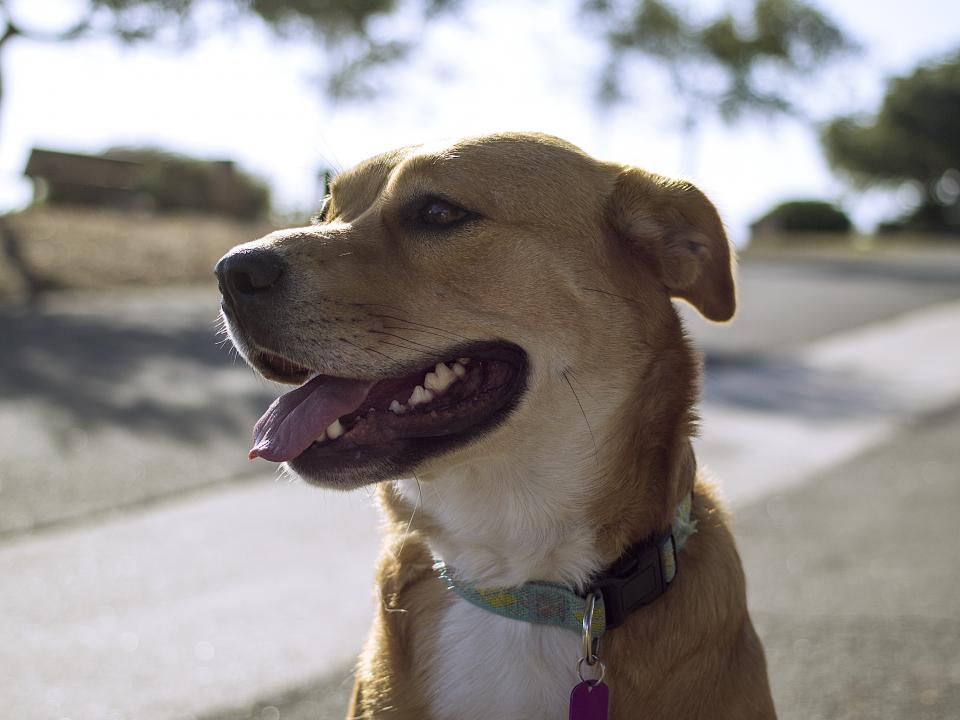
Shop the full range of leads, collars and accessories
It's worth trying a few options against your dog's coat in natural daylight before committing, since artificial lighting in a shop can distort how a colour actually reads. A quick photo on your phone, taken outdoors, often tells you more honestly how a colour will look day to day than staring at it under shop lighting ever will.
Seasonal coat changes are worth factoring in too, particularly for breeds that shed a winter undercoat. A colour that suits a dog's summer coat might read slightly differently once a thicker, sometimes marginally darker winter coat comes in, so it's worth reassessing occasionally rather than assuming one choice suits every season.
It's also worth asking whether the accessory needs to coordinate with anything else your dog already owns. A new lead bought in isolation might look lovely on its own but slightly at odds with an existing collar or coat, so it's worth considering the whole kit together rather than each piece as a separate decision.
None of this is a strict rule, plenty of dogs look wonderful in colours that technically clash with convention. But if you've ever bought a collar that just never seemed to suit your dog quite right, there's a decent chance it comes down to warm versus cool tones rather than the colour itself being wrong.