Choosing colours for a horse's accessories, rugs, boots, headcollars, works on much the same principle as choosing for a dog or cat, though the scale and the practical demands are obviously rather different. A well chosen colour still makes a real difference to how a horse looks in the yard and out on a hack.
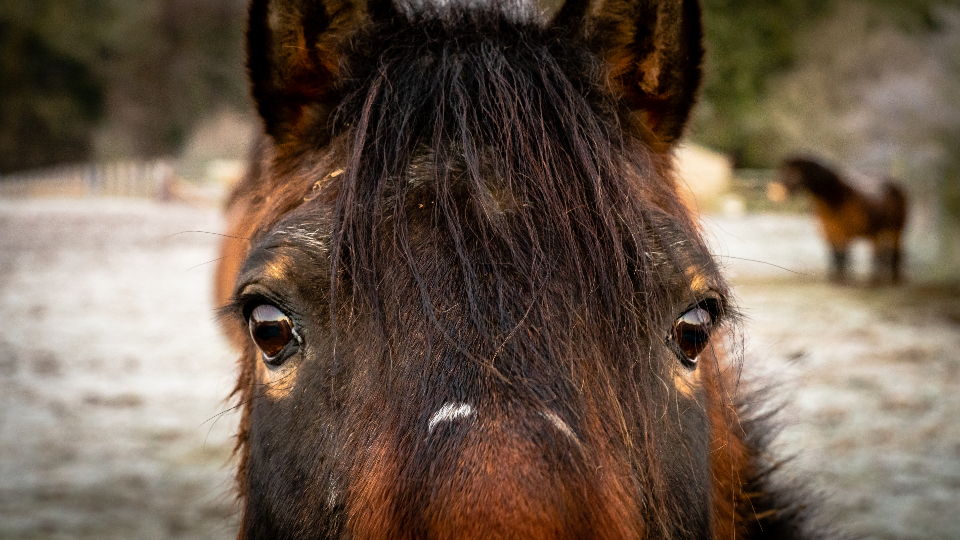
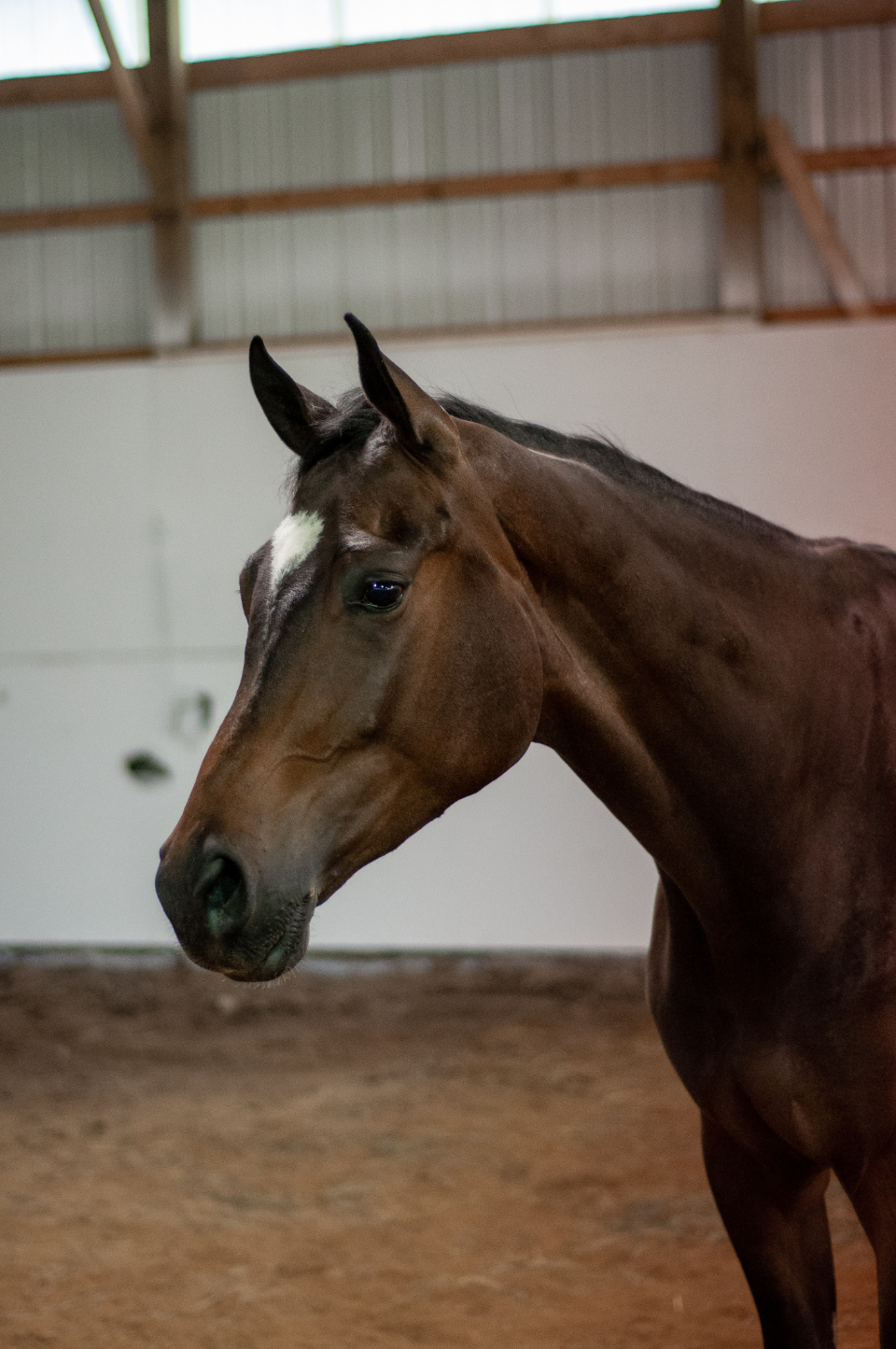
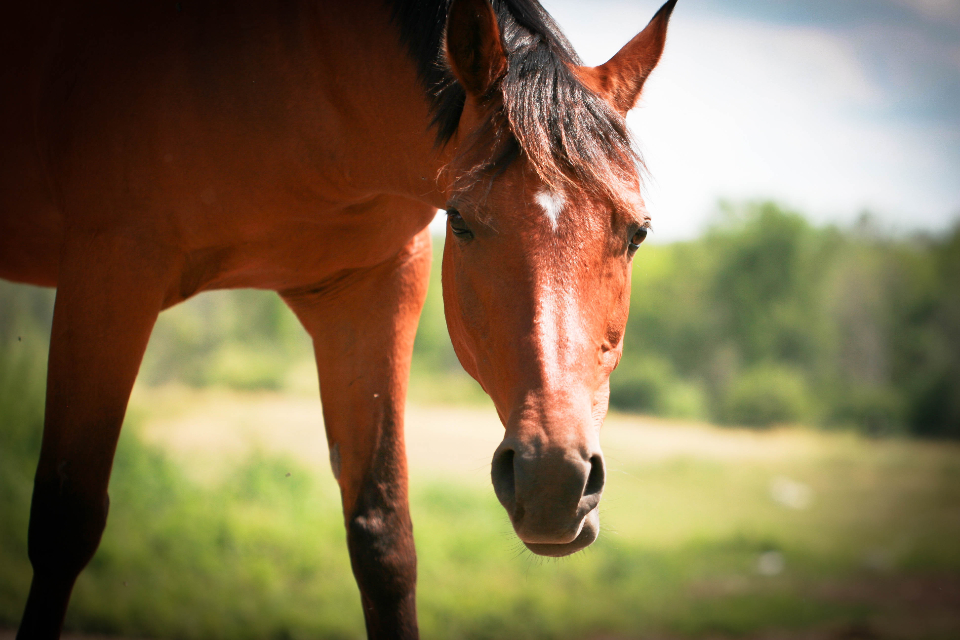
For bay horses, the classic reddish brown coat with black points, deep greens and rich navy tend to work beautifully, echoing the same warm against cool contrast that suits red toned dogs. These colours make the reddish tones in the coat look richer without competing against the black mane, tail and legs.
For chestnut horses, warmer coats overall, cooler tones again tend to flatter best, though a rich burgundy or deep rust can work surprisingly well too if you want something with a touch more warmth rather than contrast. It really depends whether you're going for definition or a tonal, blended look.
For grey horses, almost any colour works given how neutral a grey coat is, but rich, saturated colours tend to photograph and present better than pale or washed out tones, which can occasionally disappear against very light grey coats, particularly the paler dapple greys that lighten further with age.
For black horses, similar logic to black dogs and cats applies. Deep jewel tones, forest green, burgundy, navy, all create a striking contrast, while very dark or muted colours can occasionally blend in rather than stand out, which matters more for visibility on a hack near roads than most people initially consider.
Shop the equestrian range as it develops
Piebald and skewbald horses, with their large patches of white and colour, tend to work well with either warm or cool tones depending on which colour dominates the pattern overall. As with calico cats, a neutral option is often the safest starting point if you're unsure, since it won't compete with an already busy coat pattern.
Ultimately, comfort and fit should always outrank colour matching in the decision. A beautifully colour coordinated rug that doesn't sit correctly causes rubbing and discomfort regardless of how well it suits the coat, so always fit test properly before colour becomes the deciding factor.
Seasonal coat changes affect horses considerably more than cats or dogs, given how dramatically a winter coat can differ from a summer one in both colour and thickness. It's worth reassessing accessory colours at each seasonal clip, rather than assuming a shade chosen for a glossy summer coat will suit the same horse equally well come winter.
Beyond aesthetics, always prioritise visibility for road work regardless of what suits the coat best. A beautifully colour matched rug does no good if it can't be seen by traffic in poor light, so treat colour coordination as a nice to have that comes after safety, not instead of it.
A quick chat with your usual saddler helps too.
Take your time with the decision, there is no rush.
A well fitted, well matched rug is always worth the effort.
Small adjustments made early save bigger headaches later on.